
Leave a Message
We will call you back soon!
Your message must be between 20-3,000 characters!
Please check your E-mail!
More information facilitates better communication.
Submitted successfully!
We will call you back soon!
Leave a Message
We will call you back soon!
Your message must be between 20-3,000 characters!
Please check your E-mail!
| Place of Origin: | CHINA |
|---|---|
| Brand Name: | OASIS |
| Certification: | GB/T 19001-2016/ISO9001:2015 |
| Minimum Order Quantity: | 10 Meter/Meters |
| Price: | Negotiation |
| Packaging Details: | Wooden cases or pallet or bundle or container or according to clients' requirements |
| Delivery Time: | Within 35 days |
| Payment Terms: | L/C, T/T |
| Supply Ability: | 6000 Meter/Meters per Month |
| Hole Shape: | Round | Feature: | Corrosion Resistance |
|---|---|---|---|
| Screen Dimension: | Customized Size | Treatment: | Polish |
| Filter Rating: | 85% | Corrosion Resistance: | High |
Product Description
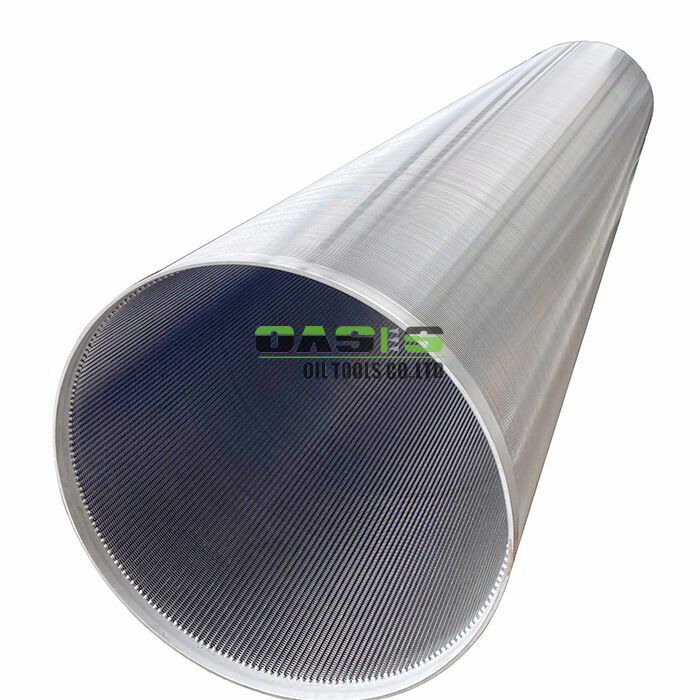
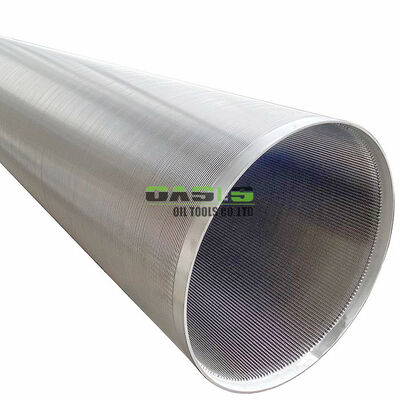
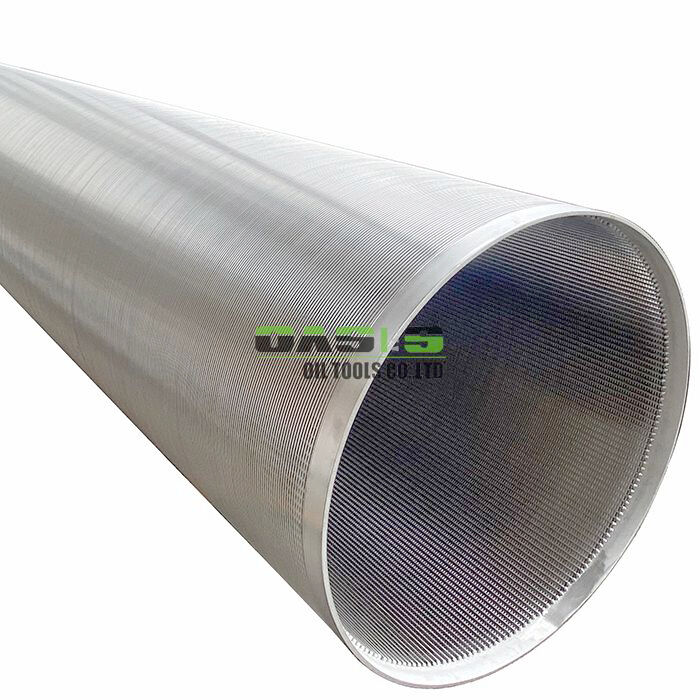
Passive intake screens are the first line of defense in any seawater desalination or riverbed water intake system. But if you've ever dealt with frequent clogging, you know how quickly it turns into a maintenance nightmare—hours of labor, unexpected downtime, and escalating operational costs. If you're in a marine environment, corrosion is another battle: pitting, crevice corrosion, and biofouling from mussels and algae can eat through inferior materials in months, not years.
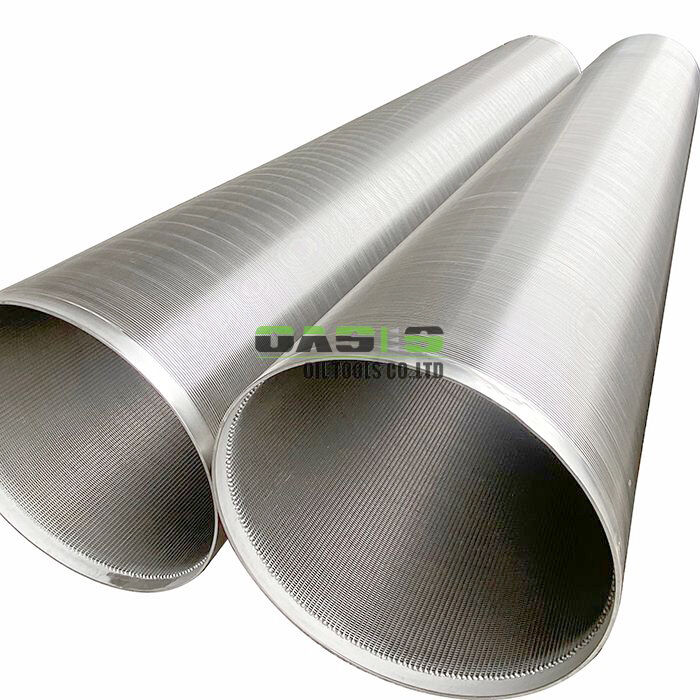
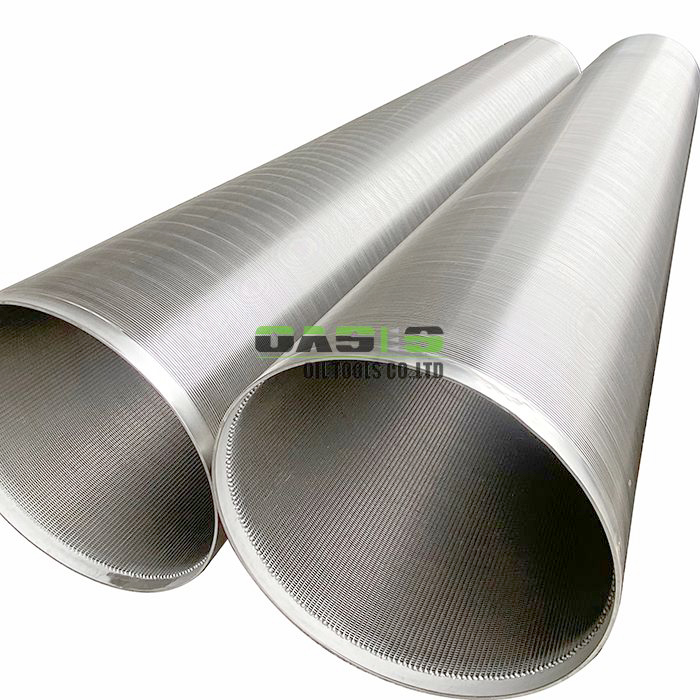
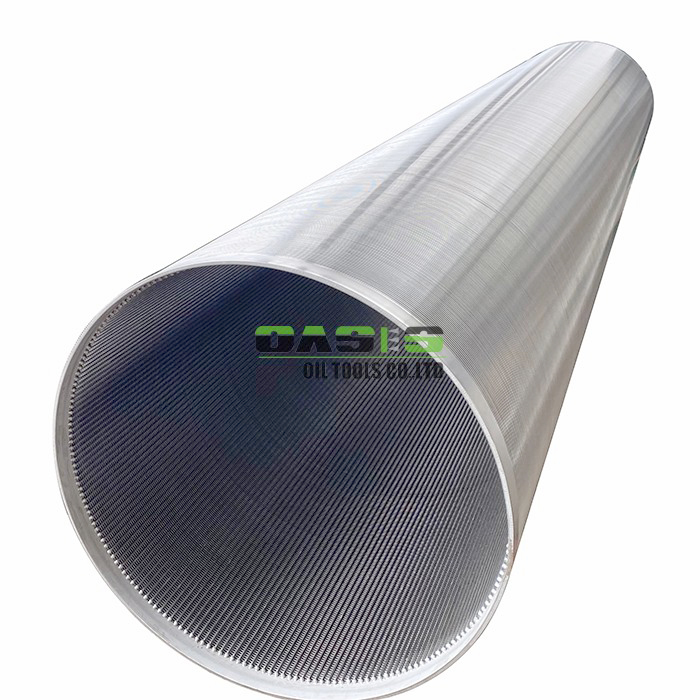
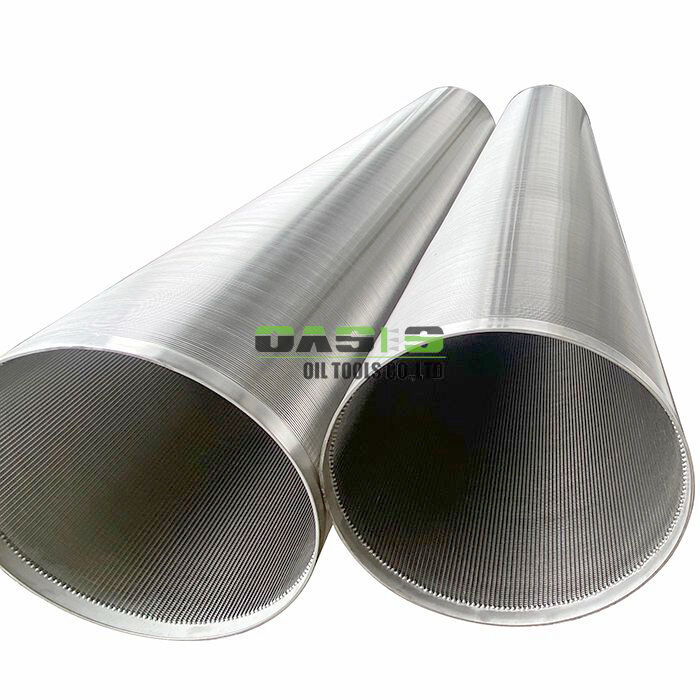
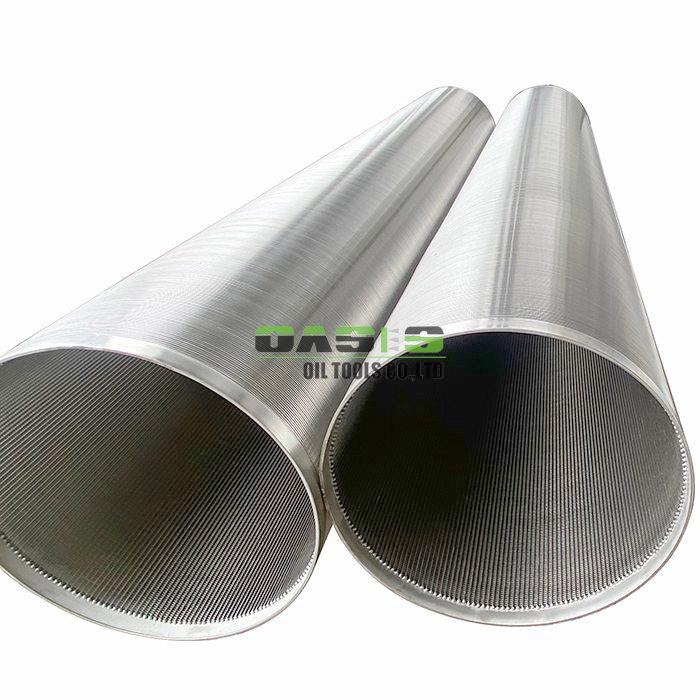
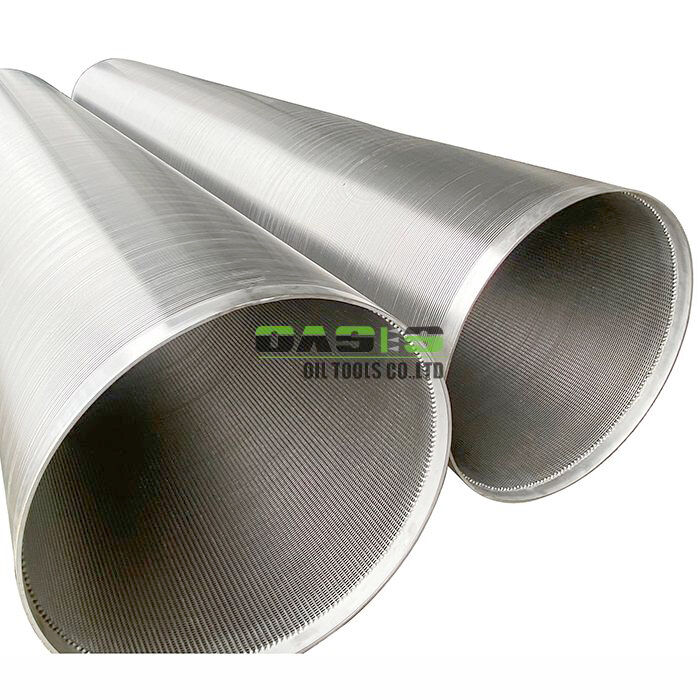
The passive intake screen is engineered to eliminate these headaches. Constructed from high-quality stainless steel single-layer wound wire with V-shaped wedge wire technology, it delivers a low, uniform through-slot velocity across the entire screen surface. Water flows through while debris and aquatic life stay out—no moving parts to jam, clog, or wear out. That means minimal maintenance, lower operating costs, and reliable water delivery season after season.
What really sets this screen apart is material selection. For freshwater applications, AISI 304 and 304L offer solid corrosion resistance at a practical cost. For coastal intake and general desalination, 316L delivers the extra chromium and molybdenum you need. And if you're dealing with aggressive seawater, high-chloride environments, or biofouling risks, Duplex 2205 and Super Duplex 2507 provide exceptional resistance to pitting and crevice corrosion while offering nearly twice the yield strength of standard austenitic grades. Choose the alloy that matches your water chemistry—not a one-size-fits-all compromise.
The flange connection simplifies integration into existing pumping systems. Whether you're retrofitting an aging intake or designing a new desalination plant from scratch, installation is straightforward and secure.
![]()
Specifications
| Parameter | Details |
|---|---|
| Material Options | AISI 304, 304L, 316L, Duplex 2205, Super Duplex 2507 |
| Outer Diameter | 0 – 1,000 mm (customizable) |
| Slot Size | Minimum 0.05 mm |
| Connection Type | Flange (ANSI 150#, 300#, or custom) / Welding rings |
| Standard Length | Up to 6 meters (custom lengths available) |
| Configuration | Single-layer wound wire, V-shaped wedge wire profile |
| Application | Seawater desalination, riverbed extraction, cooling water intake, municipal water supply |
All dimensions and specifications can be customized to your project requirements. Need a specific diameter, slot width, or flange standard? We build to your drawing.
Packing & Shipping
We know that getting your equipment to site in one piece is just as important as how it performs underwater. Each passive intake screen is carefully packed to survive the journey—whether that's across town or across an ocean.
Packaging Options:
Wooden cases (heat-treated/ISPM 15 compliant for international shipping)
Adopt bubble wrap protective packaging, shockproof and pressure-resistant.
Container loading with custom blocking and bracing
Packaging can be tailored to your specific requirements
Delivery:
Standard lead time is within 30–35 days after order confirmation. Expedited options available upon request.
Every screen is wrapped with protective material, secured with wooden strips, and loaded into robust export-grade packaging to prevent damage during transit.
![]()
Inspection
Quality isn't something we check at the end—it's built into every stage of production.
In-Process Inspection:
Raw material verification with PMI (Positive Material Identification) testing to confirm alloy composition
Dimensional checks throughout manufacturing
Slot size and uniformity verification
Weld integrity inspection
Final Inspection:
Full dimensional inspection against approved drawings
Flange connection and welding ring verification
Surface finish and quality check
Comprehensive inspection report provided
Third-Party Inspection:
We welcome and facilitate inspections by third-party agencies or buyer-appointed representatives at any stage of production. Just let us know your requirements, and we'll coordinate the schedule.
Project
Passive intake screens are used wherever you need clean, reliable raw water with minimal fuss: seawater desalination plants, riverbed intakes, industrial cooling systems, and municipal water supplies.
The biggest headache? Clogged screens, corroded materials, and constant cleaning. This screen solves that by using wedge-wire design that deflects debris instead of trapping it—and by letting you pick the right stainless steel for your water (304L for freshwater, 316L for coastal, Duplex for aggressive seawater).
No motors, no moving parts. Install it, connect the flange, and let gravity and water flow do the rest. Maintenance drops to near zero compared to mechanical screens.
We work with your engineers to size the screen (diameter up to 1,500 mm, length up to 6 m) and choose the right slot opening (as fine as 0.05 mm) for your site. Custom flanges? We can do that too.
![]()
1. What material should I pick for seawater?
316L – good for most coastal desalination
Duplex 2205 – better for high-chloride, aggressive seawater
Super Duplex 2507 – toughest, for extreme conditions
If you're unsure, send us your water test results and we'll recommend the most cost-effective option.
2. What slot size do I need?
It depends on what you're filtering out. For RO pretreatment, go fine (0.05–0.5 mm). For general intake, 0.5–2 mm is common. Larger slots let more water through but catch less debris. We'll help you pick based on your flow and local water quality.
3. How do I stop clogging and biofouling?
The V-shaped wire design is self-cleaning—debris slides off rather than getting stuck. But no screen is 100% fouling-proof. In heavy algae or mussel seasons, you may need occasional backwashing or chemical cleaning. We'll give you maintenance tips based on your site.
4. How long does it last?
With the right material, these screens easily outlast mechanical screens. 316L and Duplex grades can last 10–20 years in seawater with proper maintenance. The key is matching the alloy to your water—cheaper steel fails fast in saltwater.
5. Does it meet environmental regulations?
Yes. Passive screens run at very low intake velocity (below 0.15 m/s), which minimizes fish and larvae being trapped (impingement) or sucked through (entrainment). That's why they're often chosen to comply with EPA 316(b) and similar rules worldwide.